
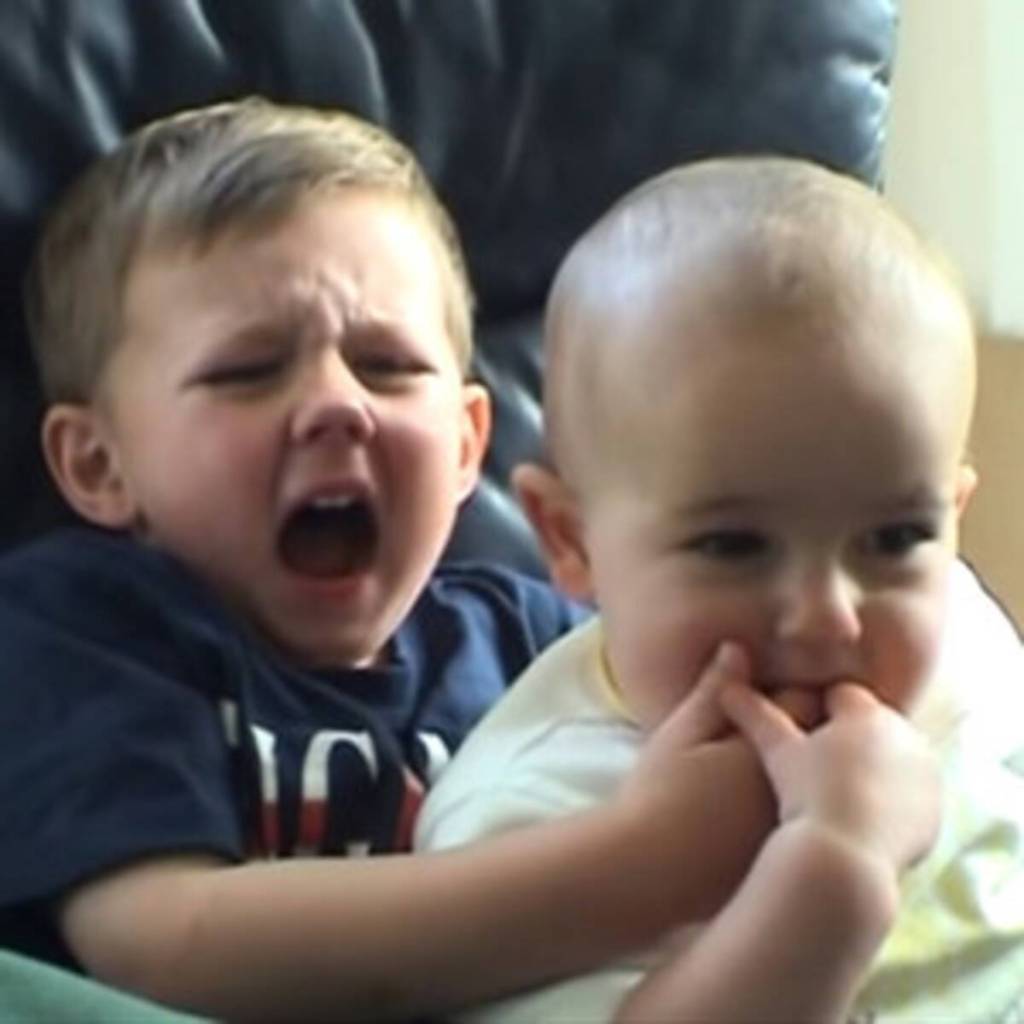
The question of how we form our unique personalities, and if our siblings and birth order impacts it is analyzed and answered in the article “Does Birth Order Affect Personality?”. Before authors Corinna Hartmann and Sara Goudarzi start the article, they show a picture of siblings fighting, which immediately attracts the reader to a type of article that seems relatable and interesting. They then add a rhetorical question to intrigue readers with a question about why people have different personalities, which will make the reader wonder why their kids, siblings, or even themselves act the way they do. Before continuing, they make sure to introduce the first psychotherapist named Alfred Adler to ensure that the reader can rely on the following information as being factual, then describes his ideas of the correlation of age and birth order between the first, middle, and last-born child.
His choice of diction to describe the different children has an effect on the reader as well. Words such as “dutiful” and “conservative” are used to describe the personality of the firstborn, the word “ambitious” is used to describe the second, then the third child is described as being “optimally positioned in the family and are characterized by emotional stability.” Through this strong diction, the readers can easily understand the personalities through words used. He then uses pathos to relate himself to this article and what is being discussed by stating that he was the second born child out of seven children. With this he puts himself in the same position with some of the readers and uses that to his advantage to gain understanding.
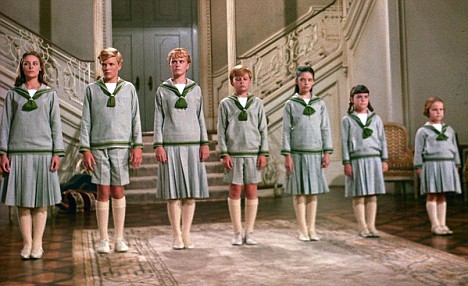
After Adler, an American psychologist named Frank J. Sulloway, was introduced and describes his similar observations about birth order regarding personality. Since they have very similar reasons for why personalities are formed, it strengthens their credibility, making the reader trust their information more. He starts to discuss the trend that he noticed and lists historical revolutionary figures that succumb to the personality traits being observed. Instead of using random examples, he uses influential people that everybody knows to prove his point. First, he talks about how later borns such as Charles Darwin, Karl Marx, and Mahatma Gandhi became lateral thinkers and revolutionaries, while firstborns such as Joseph Stalin and Benito Mussolini had stronger, more dominant, and leading personalities.
After this information, he elaborates on why he believes that birth order affects personality and mentions that children find their niche within their family, and use this throughout their life, therefore continuing their quirks throughout adulthood. An example is given of how these relationships are intuitive and can be seen throughout the typical “sensible big sister,” and “rebellious young brother,” which leaves the reader to relate to themselves or think of any family dynamic that fits what is being discussed. To add on to his credibility and how the authors maintain the trust of their information, they make sure to say that Adler’s work is still regularly seen in educational guides, and remains a popular subject to touch upon with parents.

As observational experiments take place, there is always room for error. In this article, they touch upon other experiments that raise questions about their level of accuracy. A study that took place in 1968 shows that firstborns are less likely to involve themselves in dangerous sports as opposed to the younger siblings. This information further shows that older siblings are more responsible, while the younger ones will remain rebellious, which strengthens the argument of the previous psychotherapist because the data remains constant.
The reasons why the scientific methods were questionable was because they used members from the same family to assess themselves with the levels of “openness to experiences, conscientiousness, tolerance, and neuroticism”, which leaves a lot of room for biased results. The people being observed would only judge themselves and people from their family, leaving no room for outside perception and opinion. Since the authors include themselves mentioning this methodological issue, it strengthens their trust with the reader and assures people that their information is not tainted to satisfy their own argument for the topic. Another experiment is introduced to counter previous beliefs of any correlation between the order of birth and personality because they discuss how a transnational experiment (much broader testing pool) took place, which then showed no effect of the order of birth and personal characteristics. Another researcher, named Julia Roher, is used to introduce another perspective of this phenomenon. Mentioning in the article that she is a psychologist, and saying the name of the university strengthens the information by assuring that the information is accurate. Roher takes a step forward and evaluates the family size as opposed to the order of birth, and determines that the idea of birth order affecting personality is arbitrary. Other psychologists named Rodica Damian and Brent W. Roberts conducted a study that concludes that firstborns ultimately are more likely to lead and be conscientious. There is an influence that takes place but is not exclusively when they were born, but more of the type of family that they grow up in, and niche that they are forced to adapt to.
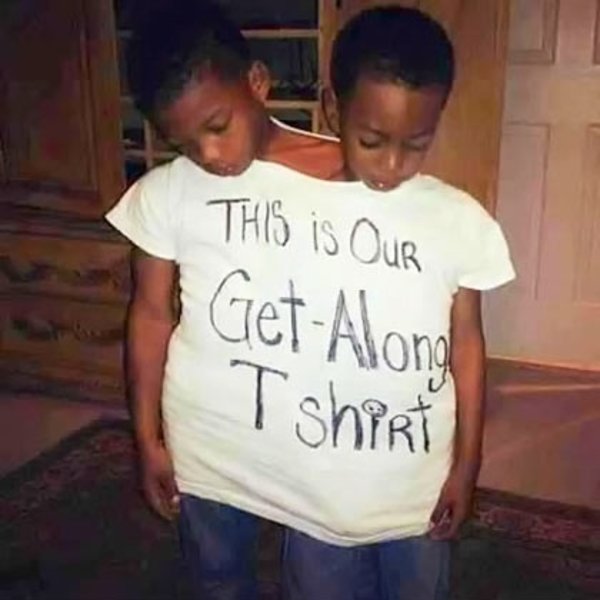
Throughout the article, the authors keep a steady argument and use the findings of scientists to support their topic, but still add aspects that question how accurate all of it is. The end of the article concludes that personality goes beyond when we were born, but to the type of environment and family size we were exposed to throughout our life.
 Jacqueline's Blog